
Minimalism is often associated with owning fewer things, but its impact goes far beyond physical spaces. At its core, minimalism is about creating room for clarity, calm, and intention. By removing excess from your life, you can experience powerful benefits for your mental health and overall well-being.
Here’s how embracing minimalism can positively transform the way you think, feel, and live.
How Minimalism Reduces Stress and Anxiety
Clutter doesn’t just take up space in your home — it also occupies space in your mind. A visually busy environment can increase feelings of stress, restlessness, and overwhelm.

A Calmer Living Space
When you reduce physical clutter, your surroundings become more peaceful and easier to manage. A clean, organized space naturally promotes relaxation and lowers stress levels.
Fewer Mental Distractions
A minimalist lifestyle helps limit unnecessary visual and mental noise. With fewer distractions competing for your attention, your mind can slow down and feel more at ease.
Improved Focus and Productivity
A simplified environment makes it easier to concentrate and stay productive throughout the day.
Clear Space, Clear Mind
When your space is organized and intentional, your brain doesn’t have to work as hard to filter distractions. This leads to better focus and more efficient use of your energy.
Intentional Use of Time
Simple living encourages you to prioritize what truly matters. Instead of spreading yourself thin, you focus on meaningful tasks and goals that align with your values.
Greater Mental Clarity and Better Decision-Making
Mental clutter often mirrors physical clutter. Too many choices and commitments can lead to decision fatigue and confusion.
Simplifying Daily Choices
Owning less and doing less reduces the number of decisions you have to make each day. This mental simplicity allows for clearer thinking and more confident decision-making.
Living With Awareness
Intentional living invites mindfulness. By becoming (truly) aware of your priorities, you gain a stronger sense of direction and purpose in daily life.
Increased Self-Awareness and Personal Growth
A simplified lifestyle naturally leads to reflection. Letting go of excess encourages you to question what truly matters to you.
Reconnecting With Your Values
As you declutter your life, you begin to recognize what aligns with your beliefs and what no longer serves you. This process supports emotional maturity and personal growth.
Making Intentional Choices
Intentional living isn’t about restriction — it’s about choice. Choosing intentionally helps you live in alignment with your goals, values, and long-term vision.
A Sense of Freedom and Control
Letting go of excess often creates a deep feeling of liberation.

Less Weight, More Freedom
Fewer possessions and commitments mean fewer obligations. This can lead to a stronger sense of control over your time, space, and energy.
Financial Relief
This lifestyle often reduces impulsive spending. Over time, this can ease financial stress and create a greater sense of security and independence.
Mindful Consumption and Gratitude
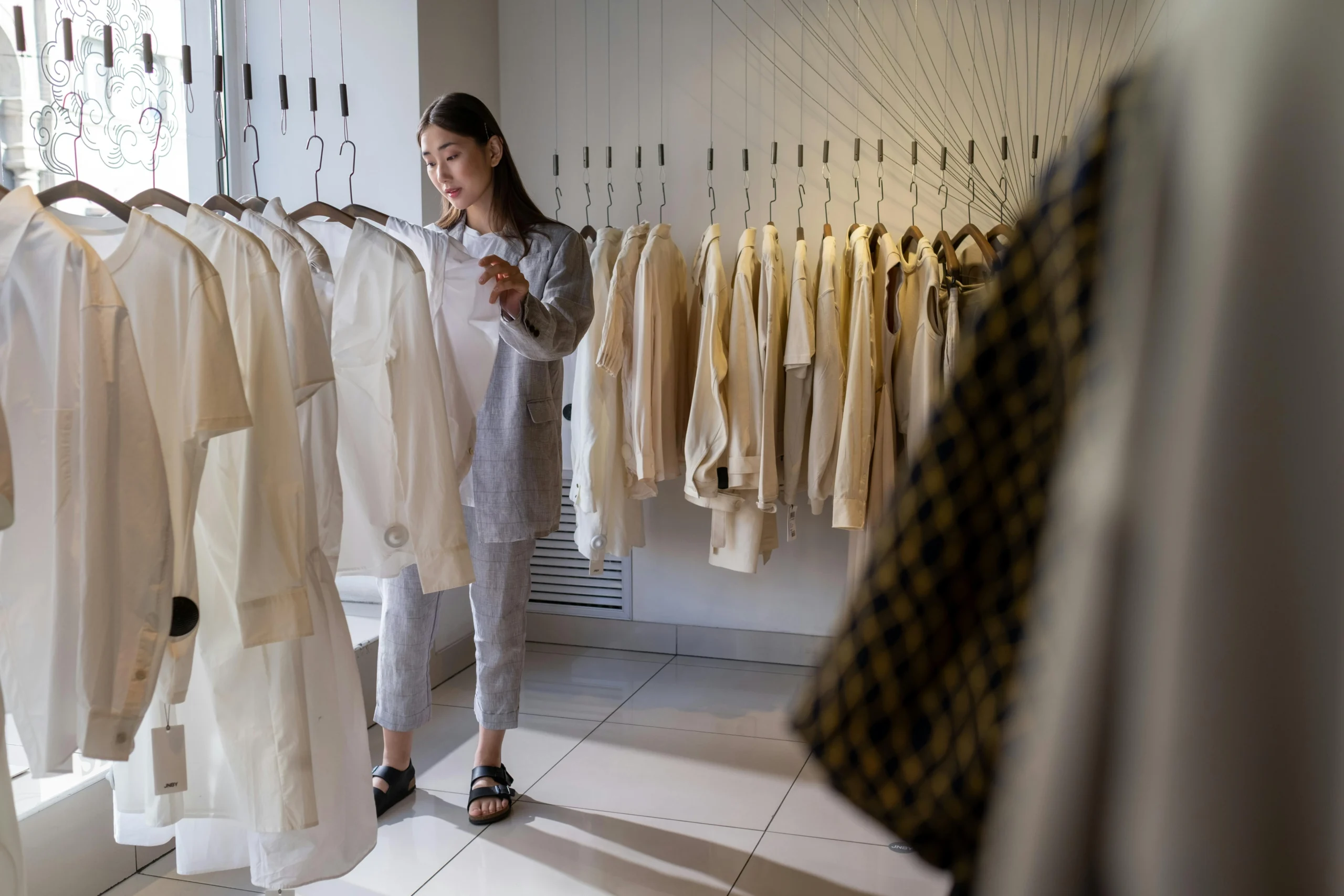
Minimalism encourages quality over quantity and fosters appreciation for what you already have.
Intentional Spending Habits
By being mindful about purchases, you develop a deeper connection with the items you own. This often leads to shown gratitude and less desire for constant consumption.
Less Materialism, More Fulfillment
Shifting focus away from possessions allows more room for meaningful experiences, relationships, and personal fulfillment.
Healthier Relationships and Emotional Well-Being
A simplified lifestyle can positively affect how you connect with others and how you feel emotionally.

More Presence in Relationships
With fewer distractions and commitments, you can be more present with the people you care about, strengthening emotional bonds.
A Calmer Emotional State
An organized, peaceful environment supports emotional balance and reduces feelings of overwhelm, anxiety, and irritability.
Supporting Healthy Habits and Overall Well-Being
Minimalism creates space for healthier routines and self-care.
Prioritizing Health
Simplifying your life makes it easier to focus on nourishing habits such as movement, balanced meals, rest, and mental well-being.
Reducing Chronic Stress
Lower stress levels benefit both mental and physical health, helping you feel more balanced and resilient.
Why Simple Living Increases Life Satisfaction
When you remove distractions and focus on what truly matters, life feels more meaningful.
Living With Purpose
Minimalism helps align your daily life with your values, creating a stronger sense of purpose and direction.
Deep Contentment
By appreciating what you have and focusing on essentials, you cultivate long-term satisfaction rather than temporary pleasure.
Conclusion
Minimalism is not about deprivation — it’s about intention. By simplifying your environment, your choices, and your priorities, you create space for mental clarity, emotional balance, and meaningful living. Embracing minimalism can reduce stress, improve focus, strengthen relationships, and support long-term well-being. Ultimately, minimalism offers a gentle yet powerful path toward a calmer, more fulfilling life.
Frequently Asked Questions About Minimalism and Mental Health
Can a minimalist lifestyle help reduce anxiety and stress?
Yes. By removing excess clutter and simplifying daily choices, minimalism can create a calmer environment that helps lower stress and mental overwhelm.
Does living with less support mental well-being?
Minimalism can support mental well-being by encouraging clarity, intentional living, and healthier habits that reduce emotional and cognitive overload.
Do you need to be extreme to benefit from minimalism?
Not at all. Even small changes, such as decluttering one area or simplifying routines, can positively impact mental health.
How long does it take to feel the mental benefits of minimalism?
Many people notice emotional relief quickly, while deeper benefits develop gradually as minimalism becomes a long-term lifestyle.