
Making your home more sustainable does not require replacing everything you own. In fact, using what you already have and changing everyday habits gradually is often the most practical approach. These ten simple swaps can help you reduce household waste, save energy, and make more intentional choices without transforming your lifestyle overnight.
10 Simple Swaps to Try at Home
Start with the changes that feel easiest and most useful for your household. You do not need to make every swap at once. Small improvements can become lasting habits when they fit naturally into your daily routine.

1. Swap Disposable for Reusable
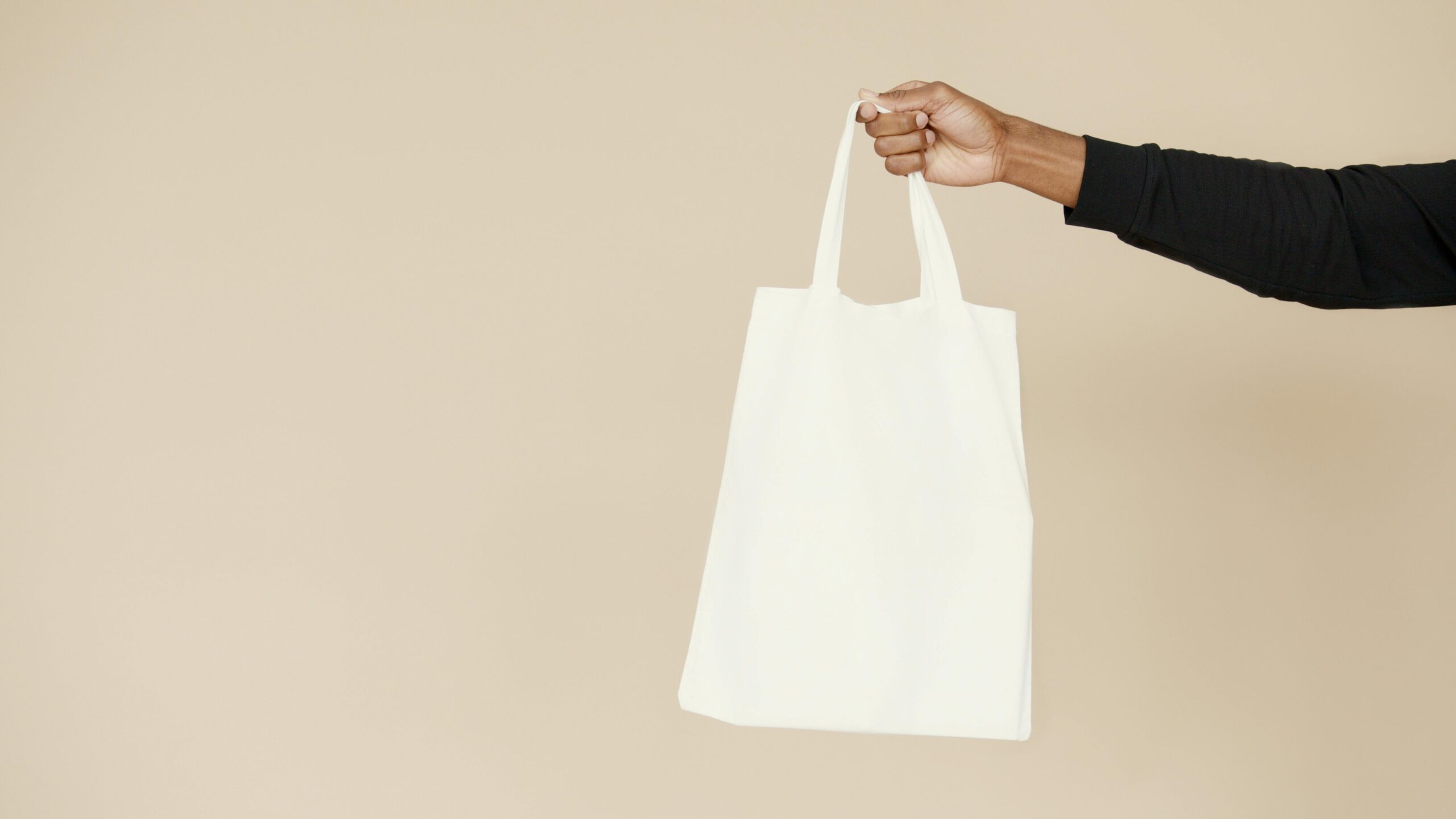
What to Swap: Single-use items like plastic bags, paper towels, disposable cutlery, and coffee filters are major contributors to waste. They are convenient but have significant environmental impacts due to their short lifespan and the resources required to produce and dispose of them.
Sustainable Alternatives:
- Reusable Bags: Invest in sturdy cloth or canvas shopping bags that can be used repeatedly. Not only do they reduce plastic waste, but they also come in various styles and sizes to suit different needs.
- Reusable Towels: Replace paper towels with cloth napkins and kitchen towels. Cloth options can be washed and reused multiple times, significantly cutting down on waste.
- Metal or Bamboo Cutlery: Use stainless steel or bamboo cutlery for meals on the go. These alternatives are durable and can be washed and reused.
- Reusable Coffee Filters: Opt for stainless steel or fabric coffee filters instead of single-use paper ones. They are easy to clean and can last for years.
2. Swap Plastic Bottles for a Water Filter

What to Swap: Single-use plastic water bottles contribute significantly to plastic pollution and can take hundreds of years to decompose.
Sustainable Alternatives:
- Water Filter Pitcher or Faucet Filter: Invest in a water filter pitcher or faucet-mounted filter. These devices can effectively remove impurities from tap water, reducing the need for bottled water and cutting down on plastic waste.
- Reusable Water Bottles: Choose stainless steel or glass water bottles for hydration on the go. They are durable, often come with insulation options, and help reduce reliance on disposable plastic bottles.
3. Swap Conventional Cleaners for Eco-Friendly Products

What to Swap: Traditional cleaning products often contain harmful chemicals that can affect both human health and the environment.
Sustainable Alternatives:
- Natural Cleaners: Use cleaning products made with natural ingredients or make your own at home using vinegar, baking soda, and lemon juice. These substances are effective and less toxic. Discover how create effective and non-toxic cleaning solutions using natural ingredients.
- Refillable Bottles: Purchase concentrates or refills for your cleaning products to reduce plastic waste. Many eco-friendly brands offer refillable options that minimize packaging.
4. Swap Standard Light Bulbs for LEDs
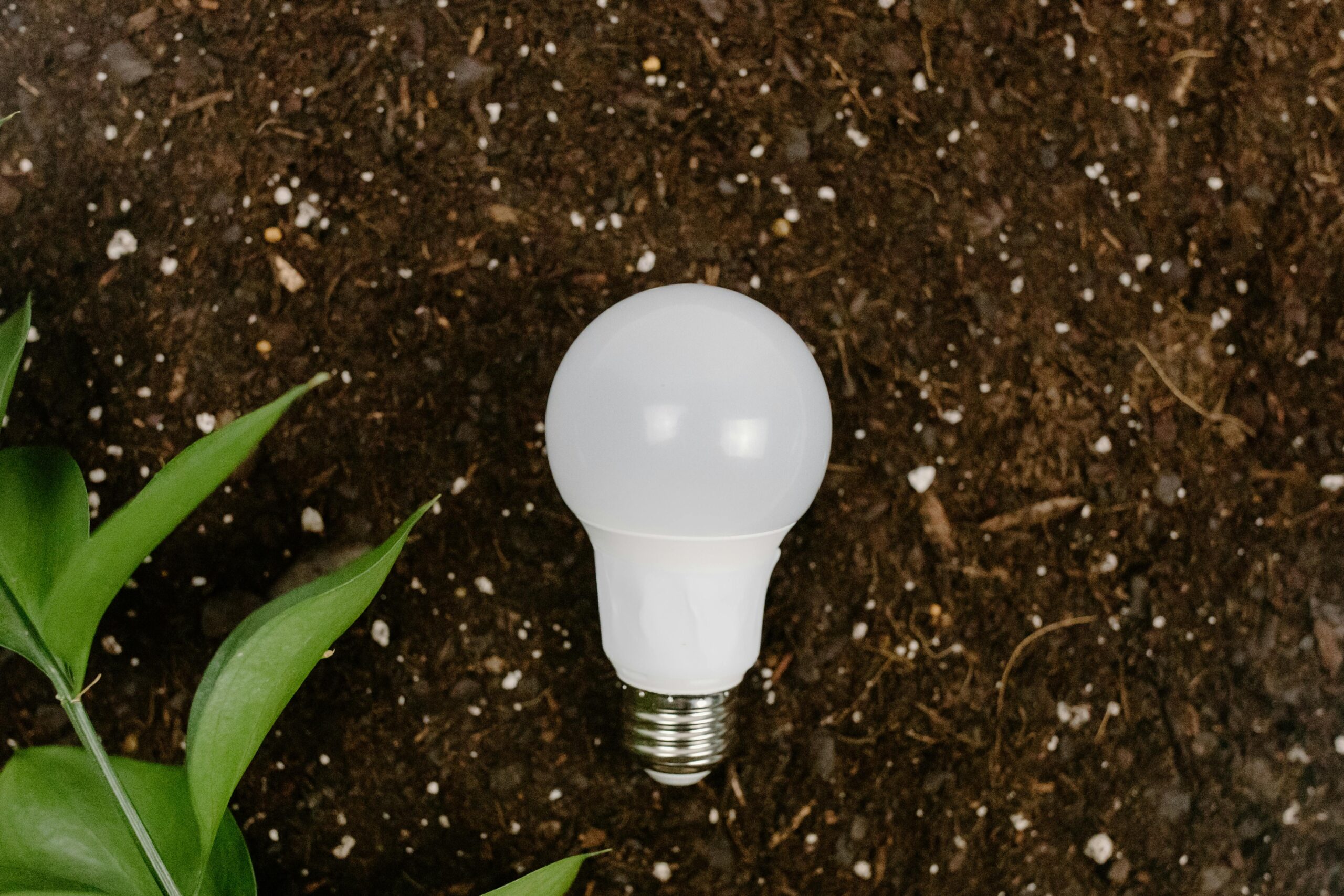
What to Swap: Incandescent and halogen light bulbs consume more energy and have a shorter lifespan compared to LED bulbs.
Sustainable Alternatives:
- LED Bulbs: Switch to LED bulbs, which use up to 80% less energy and last up to 25 times longer than traditional bulbs. This not only reduces energy consumption but also lowers your electricity bill and reduces the frequency of bulb replacements.
5. Swap Single-Use Batteries for Rechargeables
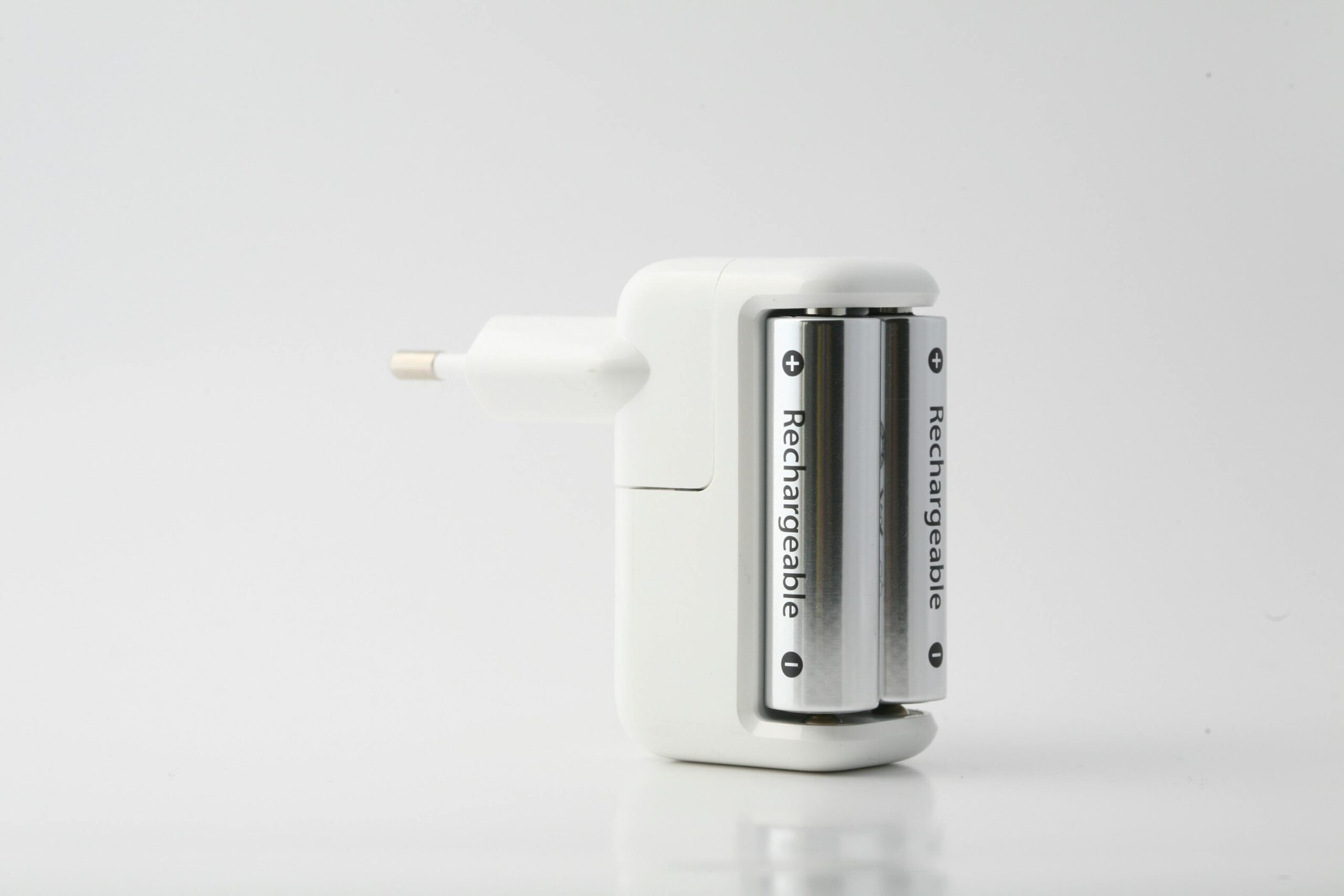
What to Swap: Disposable batteries are a common source of waste and contain chemicals that can be harmful if not disposed of properly.
Sustainable Alternatives:
- Rechargeable Batteries: Invest in high-quality rechargeable batteries and a charger. Rechargeables can be used hundreds of times, reducing waste and the need for frequent replacements.
6. Swap Conventional Toiletries for Eco-Friendly Options
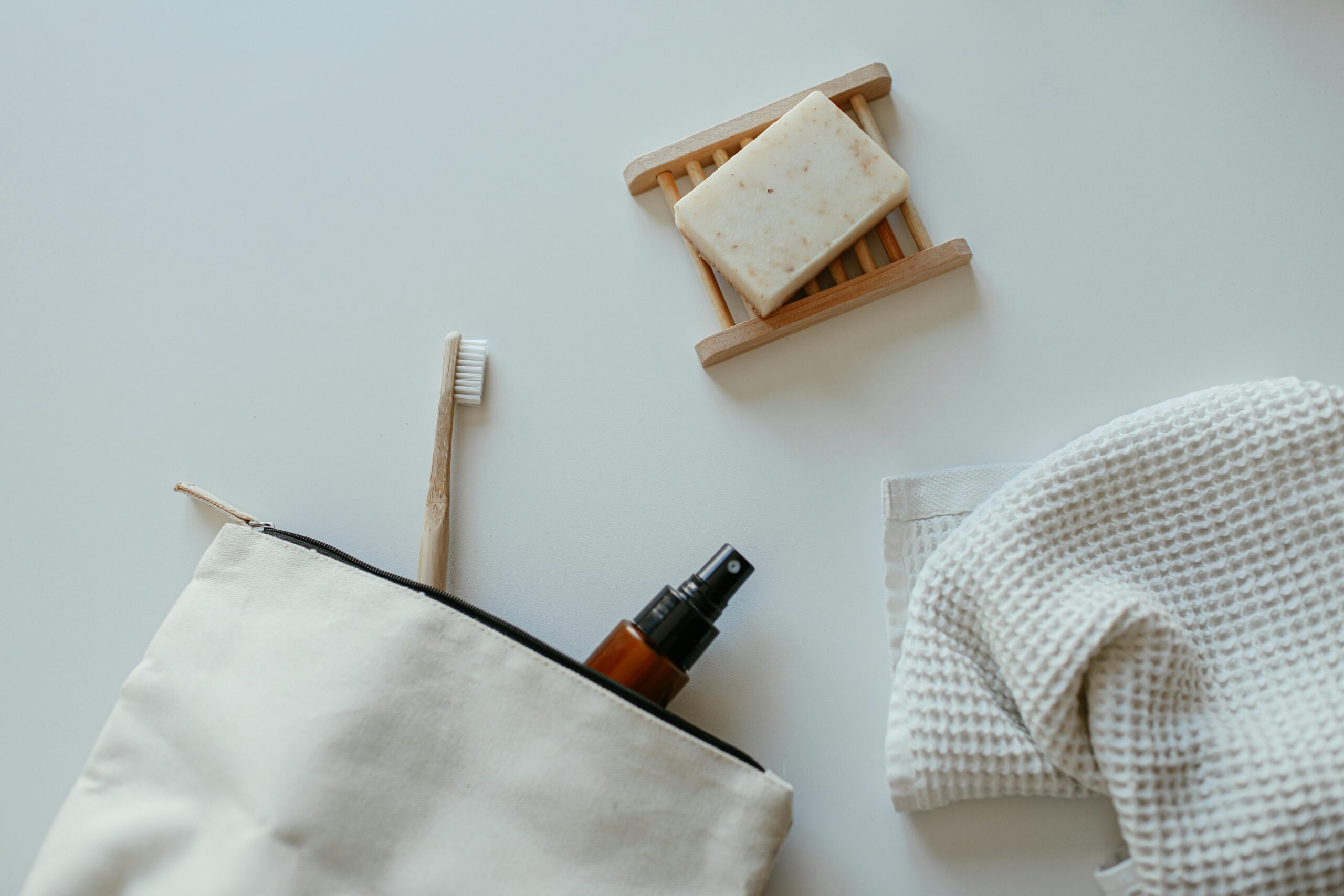
What to Swap: Everyday toiletries often come in plastic packaging or use non-sustainable materials.
Sustainable Alternatives:
- Bamboo Toothbrushes: Use toothbrushes made from bamboo, a renewable resource, instead of plastic ones. Bamboo toothbrushes are biodegradable and have a lower environmental impact.
- Safety Razors: Switch to reusable safety razors with replaceable blades. They last longer than disposable razors and can significantly reduce plastic waste.
- Shampoo Bars: Opt for solid shampoo bars instead of liquid shampoos that come in plastic bottles. Shampoo bars are often packaged in paper or compostable materials and last longer than their liquid counterparts.
7. Swap Standby Power for Smarter Energy Use

Many electronic devices continue to use electricity even when they are switched off. This is often called standby power.
Simple alternatives:
- Unplug chargers when they are not being used.
- Turn off computers and televisions completely.
- Connect several devices to a power strip that can be switched off easily.
These small habits can reduce unnecessary energy use without requiring expensive new appliances.
8. Swap Synthetic Fabrics for Natural Ones

What to Swap: Synthetic fabrics like polyester and nylon are made from petrochemicals and can take hundreds of years to decompose.
Sustainable Alternatives:
- Natural Fabrics: Choose clothing and home textiles made from organic cotton, linen, wool, or hemp. These materials are often biodegradable and produced with less environmental impact compared to synthetic fibers.
9. Swap Buying New for Repairing or Buying Secondhand

Before purchasing something new, consider whether an item you already own can be repaired, reused, or given a different purpose.
Simple alternatives:
- Repair damaged clothes, furniture, or household items.
- Look for quality secondhand products.
- Borrow rarely used tools from friends or family.
- Donate or sell items you no longer need.
This swap can reduce waste, save money, and extend the life of everyday products.
10. Swap Traditional Lawn Care Products for Eco-Friendly Options
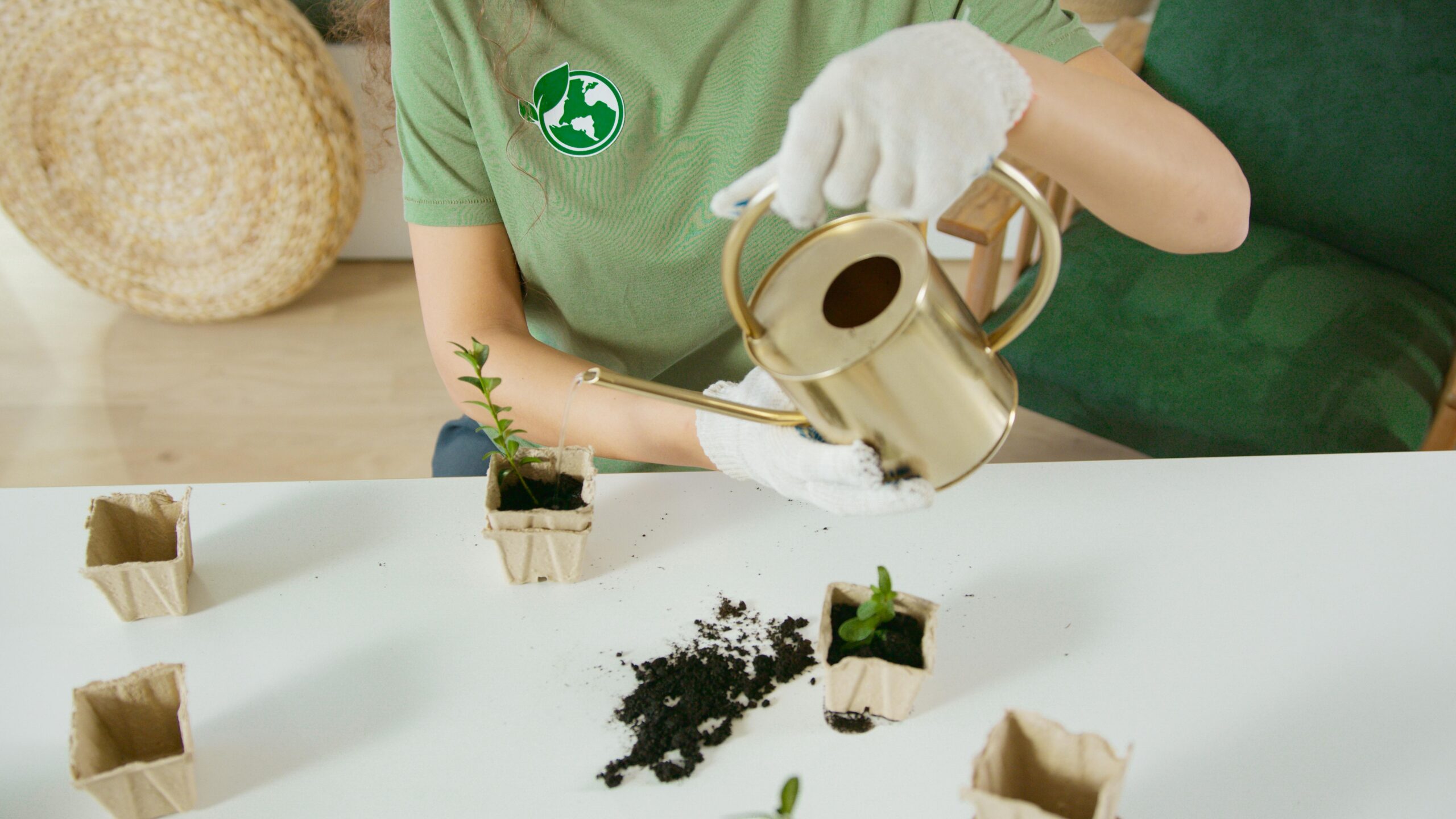
What to Swap: Chemical fertilizers and pesticides can harm local ecosystems and contribute to pollution.
Sustainable Alternatives:
- Organic Fertilizers: Use compost or organic fertilizers to nourish your garden. Composting food scraps and yard waste creates nutrient-rich soil that improves plant health without synthetic chemicals.
- Natural Pest Control: Implement natural pest control methods, such as introducing beneficial insects like ladybugs or using non-toxic repellents. These methods are safer for both your garden and the environment.
Frequently Asked Questions
What is the easiest sustainable swap to make?
Start by replacing disposable items you use frequently with reusable alternatives, such as shopping bags, water bottles, and food containers.
Do sustainable swaps cost more?
Not necessarily. Many sustainable habits, such as repairing items, reducing energy use, and buying secondhand, can help you save money over time.
Do I need to replace everything at once?
No. Continue using the products you already own and replace them gradually when they are worn out. This approach prevents unnecessary waste.
Final Thoughts
A more sustainable home is built through realistic and consistent choices. Start with one or two swaps that suit your lifestyle, then introduce other changes gradually. Every reusable item, repaired product, and energy-saving habit can help reduce your environmental impact.