
Creating a more sustainable home does not require expensive renovations or complicated equipment. Simple DIY projects can help you reuse materials, reduce household waste and make your space feel more personal. From refreshing old furniture to growing herbs and repurposing glass jars, these eco-friendly DIY projects are practical, affordable and suitable for beginners.
Why Choose Eco-Friendly DIY Projects?
Eco-friendly DIY projects encourage you to work with materials you already own instead of immediately buying something new. They can reduce waste, save money and give everyday objects a second life. The most sustainable project is often the one that uses what is already available in your home. The U.S. Environmental Protection Agency prioritizes reducing and reusing materials before recycling whenever possible
10 Easy Eco-Friendly DIY Projects for Your Home
1. Upcycled Furniture
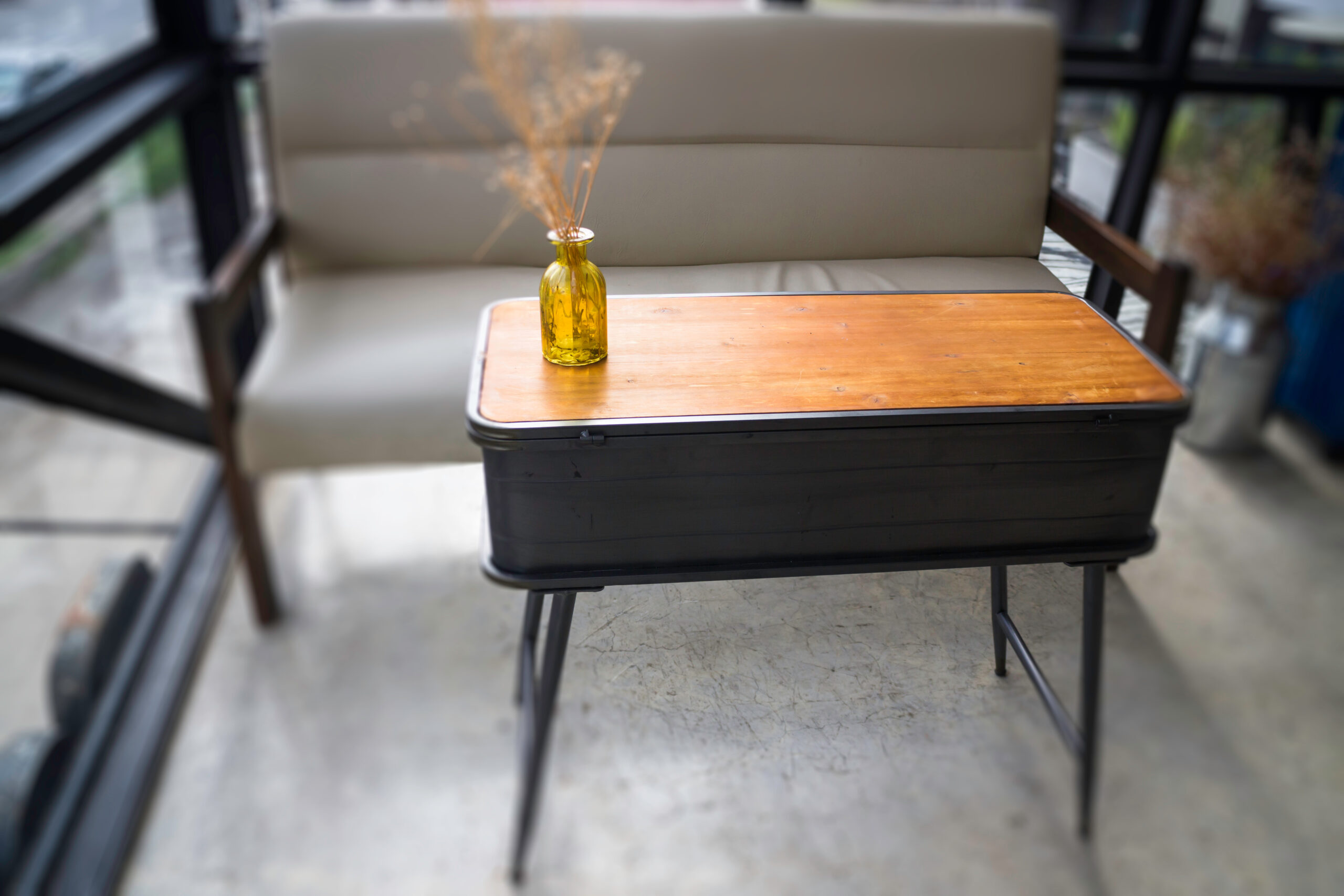
Project Idea: Revamp old furniture using eco-friendly techniques to give it a new lease on life.
Materials Needed:
- Old furniture (e.g., chairs, tables, or dressers)
- Non-toxic paint or stain
- Sandpaper
- Brushes or rollers
Steps:
- Prepare the Furniture: Clean and sand the furniture to remove old finishes and create a smooth surface.
- Apply Non-Toxic Paint: Use low-VOC (volatile organic compounds) or natural paint to revitalize the furniture. Consider using chalk paint for a matte finish.
- Seal and Protect: Apply a non-toxic sealant to protect the finish and extend the furniture’s life.
Benefits: Upcycling reduces waste by reusing existing materials and avoids the need for new resources.
2. Homemade Natural Cleaners

Project Idea: Create effective and non-toxic cleaning solutions using natural ingredients.
Materials Needed:
- White vinegar
- Baking soda
- Lemon juice
- Essential oils (e.g., lavender, tea tree)
Steps:
- All-Purpose Cleaner: Mix equal parts water and white vinegar with a few drops of essential oil for a versatile cleaner.
- Scrubbing Paste: Combine baking soda with a small amount of water to create a paste for tough stains and grime.
- Glass Cleaner: Mix equal parts water and vinegar with a few drops of lemon juice for streak-free glass cleaning.
Benefits: Homemade cleaners are safer for your health and the environment, avoiding harmful chemicals and reducing plastic waste.
3. Energy-Efficient Window Treatments

Project Idea: Install window treatments that help insulate your home and reduce energy consumption.
Materials Needed:
- Recycled fabric or old sheets
- Curtain rods
- Sewing supplies
Steps:
- Select Fabric: Use recycled fabric, old sheets, or even upcycled clothing to create curtains.
- Sew Curtains: Measure your windows and sew the fabric to fit, creating thermal or blackout curtains to improve insulation.
- Install Rods: Hang the curtains on eco-friendly curtain rods or repurpose existing ones.
Benefits: Energy-efficient window treatments can lower heating and cooling costs by improving your home’s insulation.
4. Indoor Herb Garden
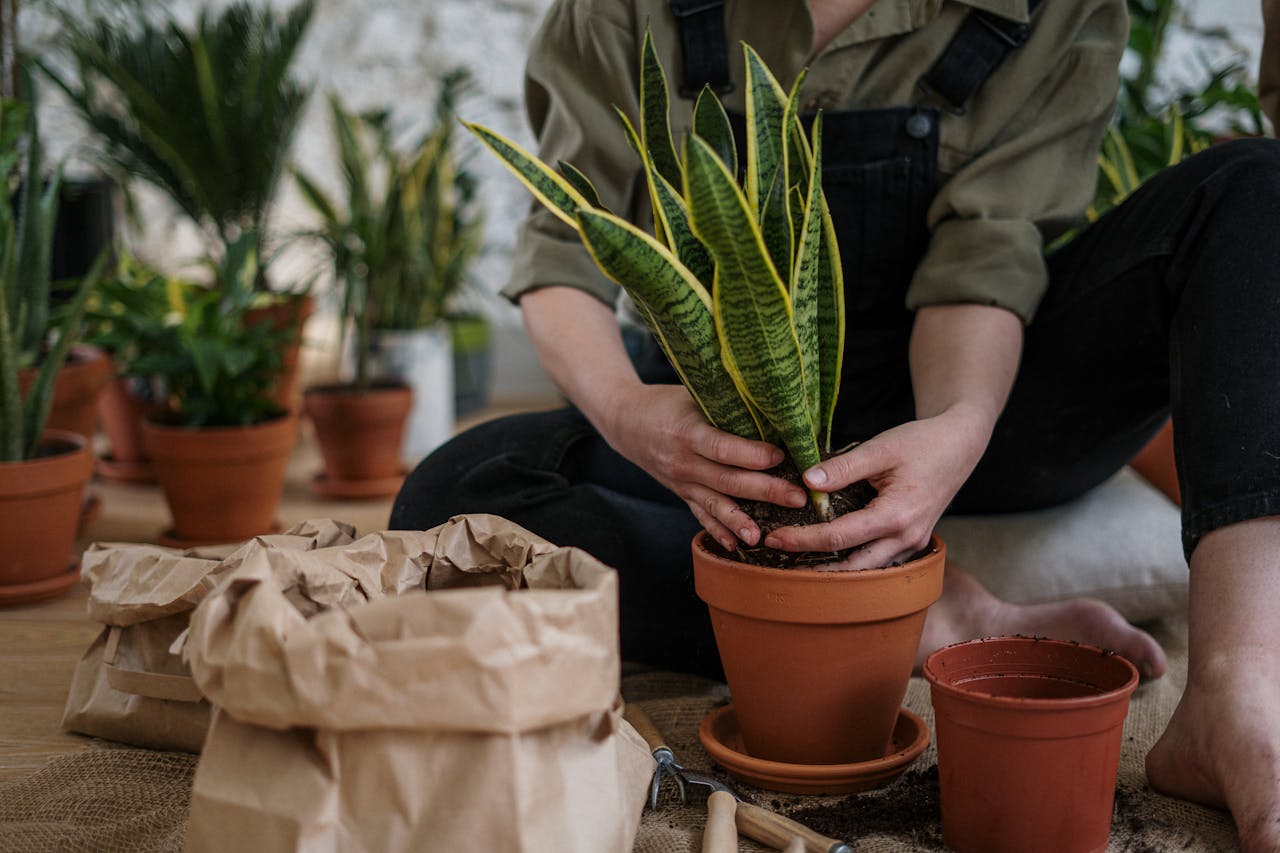
Project Idea: Grow your own herbs indoors to reduce the need for store-bought, packaged herbs.
Materials Needed:
- Recycled containers (e.g., jars, old pots)
- Potting soil
- Herb seeds (e.g., basil, mint, parsley)
Steps:
- Prepare Containers: Clean and repurpose old containers or pots for planting.
- Plant Herbs: Fill containers with potting soil and plant herb seeds according to the instructions.
- Provide Light: Place the containers in a sunny spot or use energy-efficient grow lights to ensure adequate light.
Benefits: An indoor herb garden reduces packaging waste and provides fresh, organic herbs for cooking.
5. DIY Recycled Paper Decorations

Project Idea: Create decorative items from recycled paper to add a personal touch to your home.
Materials Needed:
- Old newspapers, magazines, or scrap paper
- Water
- Blender
- Screen or cloth
Steps:
- Prepare Paper Pulp: Tear paper into small pieces and soak in water. Blend into a pulp.
- Form Sheets: Spread the pulp onto a screen or cloth, press out excess water, and let dry.
- Create Decorations: Once dry, cut the recycled paper into shapes for decorations or use as wrapping paper.
Benefits: Using recycled paper reduces waste and adds a creative, eco-friendly touch to your decor.
6. Solar-Powered Outdoor Lighting
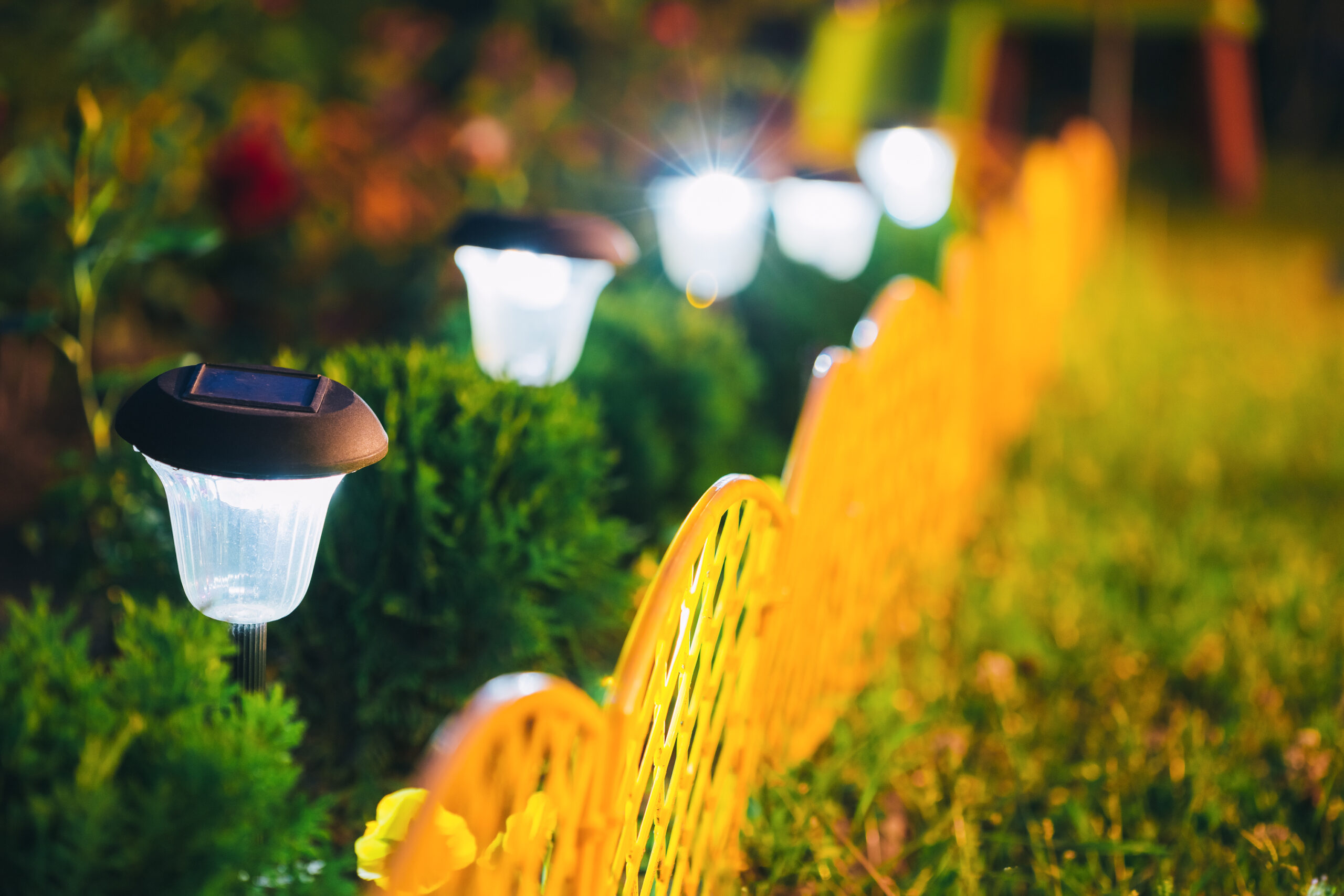
Project Idea: Install solar-powered lights to illuminate your outdoor spaces without consuming electricity.
Materials Needed:
- Solar-powered garden lights
- Rechargeable batteries (if needed)
Steps:
- Choose Locations: Select sunny spots in your garden or yard for optimal solar charging.
- Install Lights: Place the solar lights in the desired locations, ensuring they receive ample sunlight during the day.
- Maintain: Regularly clean the solar panels to ensure they function efficiently.
Benefits: Solar-powered lighting reduces energy consumption and lowers your electricity bill while enhancing your outdoor spaces.
7. Make a Fabric Draft Stopper
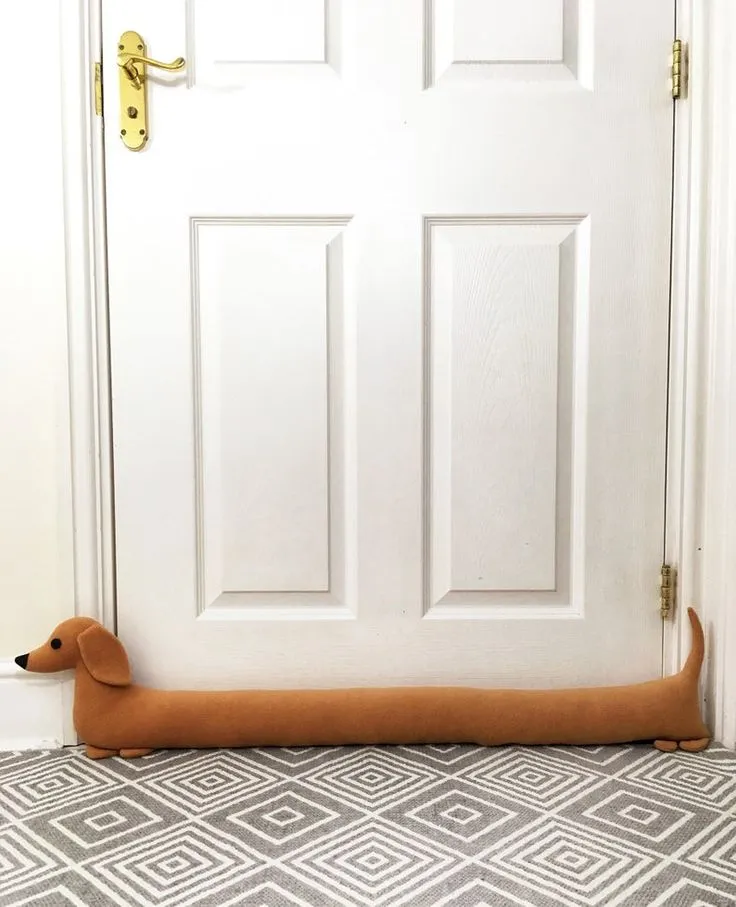
A fabric draft stopper can help block cold air from entering underneath a door while giving old textiles a useful second life.
Materials Needed:
- An old pillowcase, towel or piece of fabric
- Fabric scraps, old clothes or other soft filling
- Scissors
- Needle and thread
Steps:
- Measure the width of the door.
- Cut the fabric into a long rectangle and sew it into a tube.
- Fill the tube with fabric scraps or another reusable filling.
- Sew both ends closed and place it along the bottom of the door.
Why It Helps: Reusing old fabric keeps textiles out of the bin and may make a drafty room feel more comfortable.
8. Repurposed Wood Projects

Project Idea: Use repurposed wood for various home improvement projects, such as shelves or picture frames.
Materials Needed:
- Old wooden pallets or reclaimed wood
- Tools (e.g., saw, drill, sandpaper)
Steps:
- Source Wood: Find repurposed wood from old pallets, discarded furniture, or salvage yards.
- Prepare Wood: Sand and clean the wood to remove splinters and debris.
- Build Projects: Create shelves, picture frames, or other items using the repurposed wood. Customize as desired.
Benefits: Repurposing wood reduces waste and adds unique, character-filled items to your home.
9. DIY Compost Bin
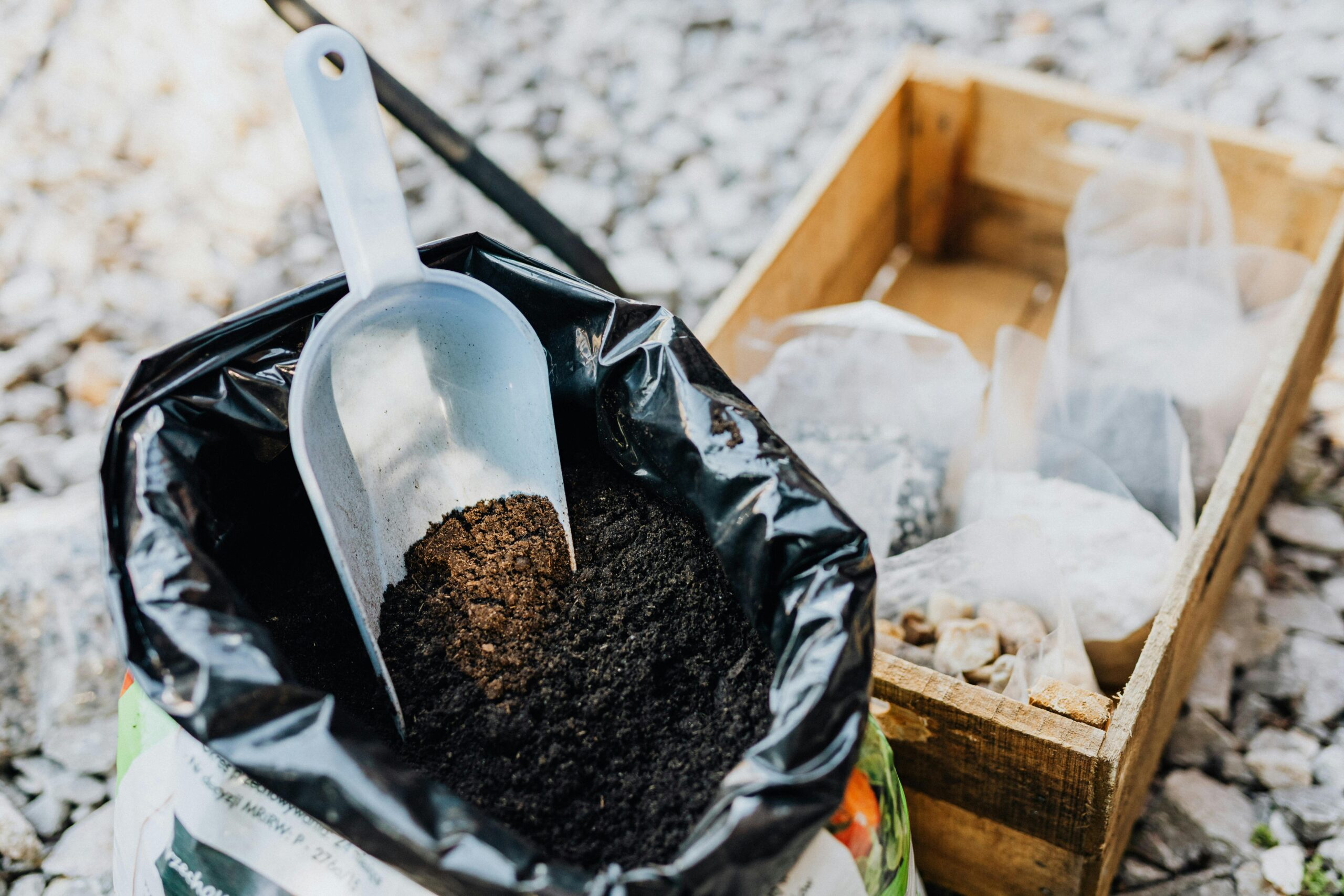
Project Idea: Create a compost bin to recycle organic waste and enrich your garden soil.
Materials Needed:
- Wooden pallets or recycled bins
- Composting materials (e.g., vegetable scraps, leaves, coffee grounds)
Steps:
- Build the Bin: Construct a compost bin using wooden pallets or repurposed bins. Ensure proper ventilation and drainage.
- Add Materials: Layer organic waste such as vegetable scraps, coffee grounds, and leaves in the bin.
- Turn Compost: Regularly turn the compost to promote decomposition and add moisture as needed.
Benefits: Composting reduces food waste, improves soil health, and supports sustainable gardening practices.
10. Repurpose Glass Jars for Storage
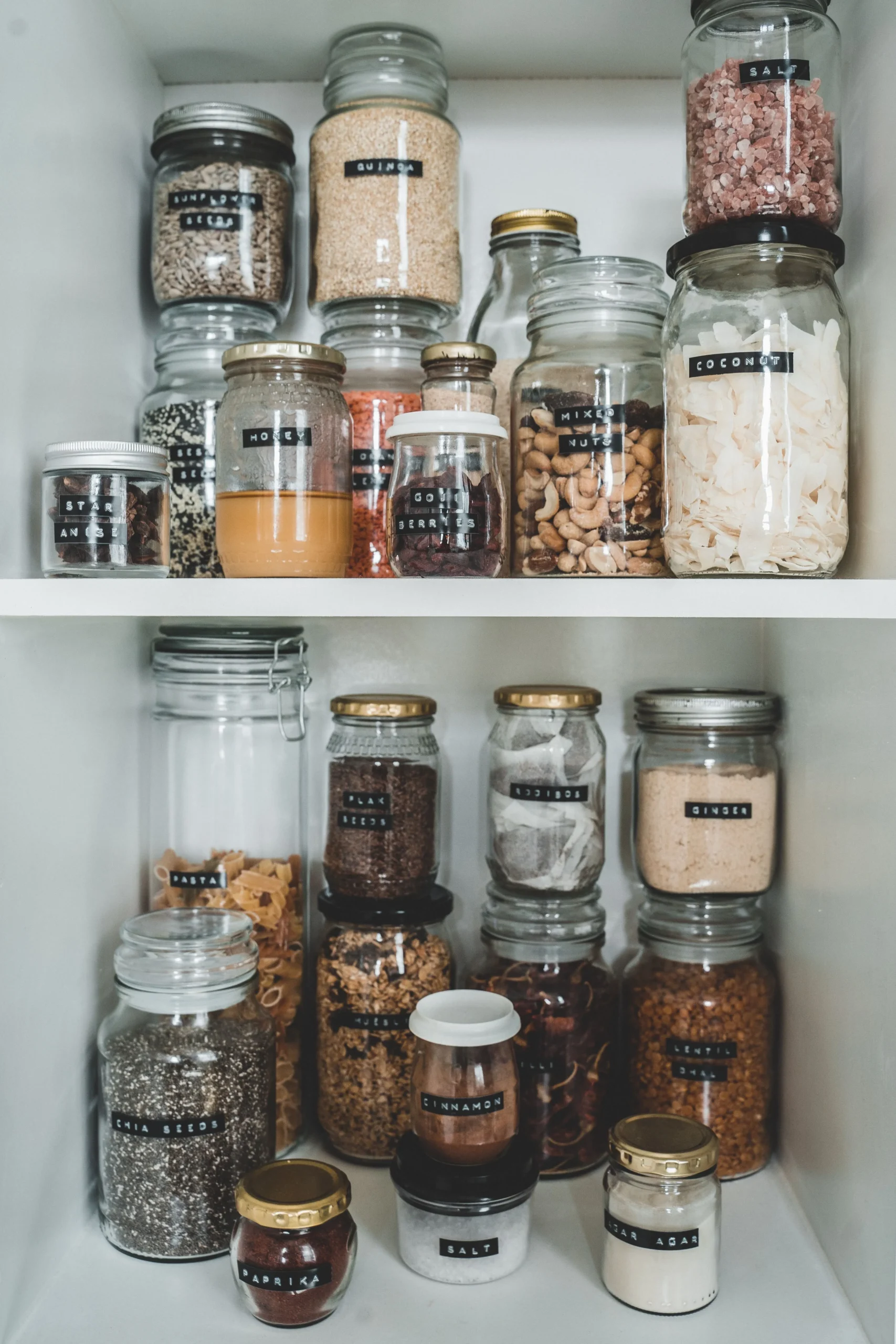
Empty glass jars can become simple storage containers for the kitchen, bathroom or workspace.
Materials Needed:
- Clean glass jars
- Warm soapy water
- Reusable labels or paper tags
- Paint or natural twine, if desired
Steps:
- Wash the jars thoroughly and remove the labels.
- Allow them to dry completely.
- Use them to store dry foods, bathroom essentials, buttons or craft supplies.
- Add a simple label so each container is easy to identify.
Why It Helps: Repurposing jars reduces packaging waste and creates practical storage without requiring new containers.
Frequently Asked Questions
What is the easiest eco-friendly DIY project for beginners?
Repurposing glass jars or creating an indoor herb garden are simple places to start. They require few materials and can usually be completed without specialist tools.
Do eco-friendly DIY projects have to be expensive?
No. The purpose is often to reuse materials already available at home. Before buying supplies, check whether you can repurpose old fabric, furniture, containers, paper or wood.
Are homemade cleaning products safe for every surface?
No. Vinegar should not be used on natural stone surfaces such as marble or granite, and household cleaning ingredients should never be mixed with bleach. Always test a homemade cleaner on a small hidden area first.
Final Thoughts
Eco-friendly DIY projects are most useful when they solve a genuine household need and reuse materials you already own. Start with one simple project, adapt it to your space and avoid buying unnecessary supplies. Small, practical changes can make your home feel more personal while gradually reducing waste.